Reflections from the Piedmonte Region (Turino), Italy. June 15-19 2026
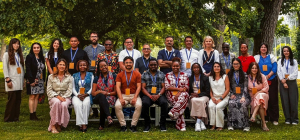
Reflections from the Piedmonte Region (Turino), Italy
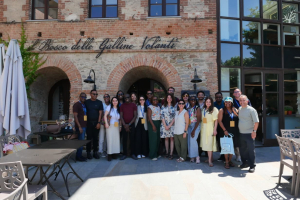
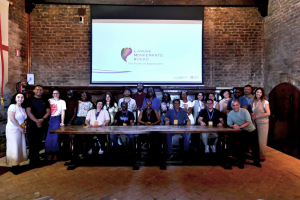
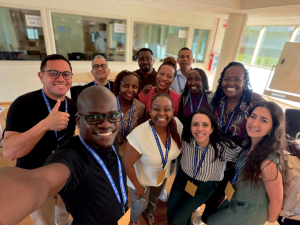
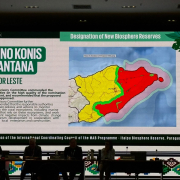
Just completed the intensive ITCILO training programme on “Culture, Tourism, and Creative Sectors for Sustainable Development and Decent Work”—a transformative experience that has reshaped our strategic vision for Timor-Leste’s creative economy. From 15 – 19 June 2026
Why This Matters for Timor-Leste
The global creative economy is valued at US$4.3 trillion, accounting for 3.1% of global GDP and nearly 50 million jobs worldwide. For Timor-Leste, this represents an untapped opportunity to position culture not merely as heritage to be preserved, but as a dynamic economic engine.
Three strategic pillars emerged from our discussions:
1️⃣ Culture Creates Value. As highlighted by Fondazione Santagata, cultural and creative industries generate significant economic returns—Italy’s sector alone contributes over €104 billion in added value. Beyond economics, culture strengthens reputation, attracts talent and visitors, enhances quality of life, and fosters social cohesion. This “multiplier effect” is precisely what Timor-Leste needs to build a resilient, diversified economy.
2️⃣ Formalization is Key. Globally, 6 out of 10 workers operate informally. For our cultural workers—artists, artisans, performers—this means limited access to social protection, healthcare, and pensions. Drawing inspiration from models like Germany’s Artists’ Social Insurance Fund and Uruguay’s Monotributo, we must design pathways that transition creative professionals from the informal to the formal economy, ensuring decent work for all.
3️⃣ Dialogue is Strength. Social dialogue is the cornerstone of fair labour governance. Collective bargaining empowers workers to negotiate fair pay and safe conditions. We were inspired by examples from Senegal and Belgium, where collective agreements have transformed working conditions for cultural professionals. A unified voice is essential for Timor-Leste’s creative sector to thrive.
A Journey of Exchange and Gratitude
We extend our deepest gratitude to Fondazione Santagata per l’Economia della Cultura for their expert insights on heritage-led regeneration; to Margarita Lalayan and Paola Agnello for their exceptional guidance and hospitality in facilitating the logistics and training discussions; and to the ILO Regional Office in Bangkok for their unwavering support.
As part of HOTL Association’s standing commitment to promoting Timor-Leste’s creative culture sector, we were proud to share our heritage through “Jack’s of Timor-Leste” —Design Timor souvenirs and T-shirts—as tokens of appreciation to our international colleagues.
🇹🇱 We are bringing the world to Timor-Leste, and Timor-Leste to the world.
The Path Forward
The future of creative culture sectors and decent work for sustainable development in Timor-Leste demands collective action. Let’s build the pathways together.
I’d love to hear your thoughts—how do you see Social Justice and Decent Work advancing in Timor-Leste within the sustainable development framework? If you have any examples to share, I remain open for a fruitful discussion.
Feel free to reach out at marlo@hotl.tl